2. Altitude Changes the Flavour
Altitude is another important factor.
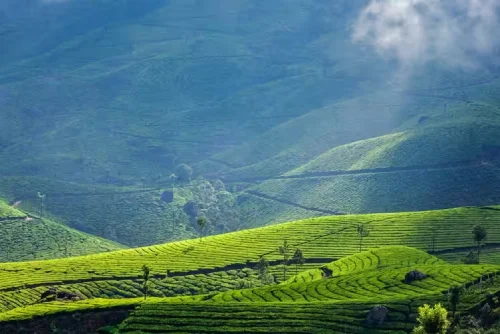
Tea grown at higher elevations generally grows more slowly because of cooler temperatures. This slower growth can contribute to delicate aromas and complex flavours.
Darjeeling tea, for example, is grown in the Himalayan foothills at varying elevations. Its distinctive character is associated with the region's mountainous terrain, cool climate and unique growing conditions.
By contrast, much of Assam tea is grown in lower-elevation areas with a warm and humid climate, producing teas that are often stronger, fuller and more malty.
3. Soil Affects the Tea Plant
Just like grapes used for wine, tea plants are influenced by the soil in which they grow.
Soil composition, drainage, minerals and organic matter can affect plant growth and ultimately influence the flavour of the finished tea.
Different tea-growing regions have different soil characteristics. These differences contribute to the individual identity of regional teas.
4. Rainfall and Water Matter
Tea plants need plenty of water, but the amount and distribution of rainfall can influence how the plant develops.
Regions with regular rainfall may produce healthy, vigorous tea plants. Seasonal variations in rainfall can also affect harvesting periods and the characteristics of individual tea flushes.
The water available to the plant interacts with the soil and climate, becoming another part of the region's unique growing environment.
5. The Tea Plant Variety Makes a Difference
Not all tea plants are exactly the same.
Different varieties and cultivars have different genetic characteristics. Some naturally produce stronger flavours, while others are known for floral, fruity or aromatic qualities.
For example, the Assam region is closely associated with the Assam type of tea plant, while Darjeeling is known for tea made from varieties and cultivars suited to its Himalayan environment.
The plant itself therefore plays an important role in determining the final flavour.
6. How the Tea Is Processed
Growing conditions are only part of the story. What happens to the tea leaves after harvesting is equally important.
Tea can be processed in different ways, including:
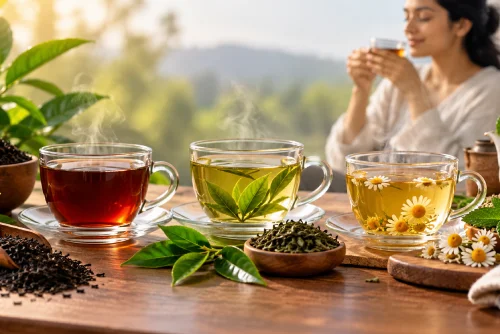
- Black tea: The leaves undergo oxidation that develops deeper colour and stronger flavours.
- Green tea: The leaves are heated to minimise oxidation, helping preserve fresher and more vegetal characteristics.
- Oolong tea: The leaves undergo partial oxidation, creating a wide range of flavours.
- White tea: The leaves undergo minimal processing, often resulting in delicate flavours.
Even tea leaves grown in the same region can taste very different when processed using different techniques.
7. Harvesting Season Matters
Tea doesn't taste exactly the same throughout the year.
Different harvesting periods, often called flushes, can produce noticeably different flavours.
Darjeeling is particularly famous for its seasonal flushes. The first flush is often associated with lighter, fresh and floral characteristics, while later flushes can have deeper and more pronounced flavours.
This means that even tea from the same garden can change from season to season.
8. Farming and Plucking Practices
The way tea is cultivated and harvested also affects its character.
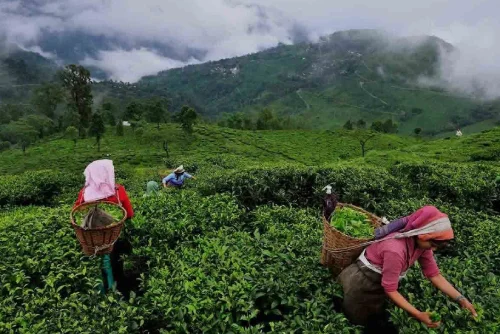
Tea workers carefully select leaves and buds for processing. The stage at which the leaves are picked can influence their flavour, aroma and quality.
Factors such as pruning, shade management, fertilisation, pest management and plucking standards can all contribute to the final product.
9. Why Indian Teas Taste So Different
India is an excellent example of how geography can shape tea.
Assam Tea
Assam tea is generally known for its strong, full-bodied and malty character. Its warm, humid growing environment contributes to the distinctive style associated with the region.
Darjeeling Tea
Darjeeling tea is often appreciated for its delicate aroma, floral notes and complex character. The region's elevation, climate and terrain create growing conditions that are very different from Assam.
Nilgiri Tea
Nilgiri tea comes from the mountainous regions of southern India. It is often known for its fragrant aroma, bright character and refreshing taste.
Dooars and Terai Tea
Tea from the Dooars and Terai regions of northern West Bengal can offer a balanced character and is widely used both as a standalone tea and in blends.